
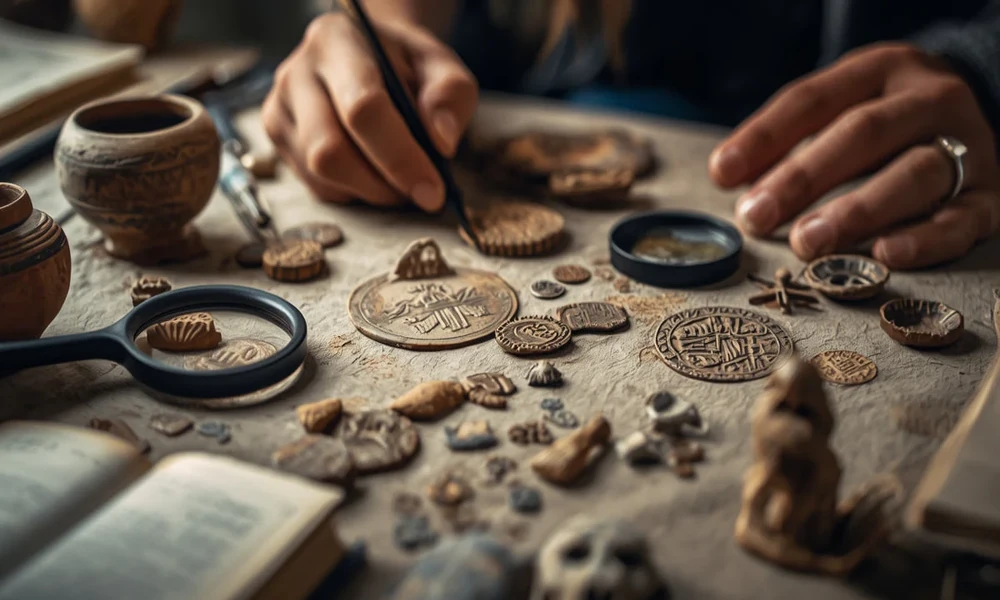

Authenticity is the foundation of value in historical collectibles. An object presented as genuine that turns out to be a reproduction, forgery, or heavily altered composite delivers none of the historical connection, rarity, or market value that made it desirable in the first place. Understanding how authenticity is established – and the specific methods used to verify it across different collecting categories – gives collectors the tools to acquire with confidence and avoid the financial and personal disappointment of misrepresented acquisitions.
The Role of Provenance in Establishing Authenticity
Provenance is the documented history of an object’s origin and ownership from the point of creation or discovery to the present. A strong provenance chain creates a documented identity for an object that is difficult to fabricate comprehensively. Gaps in provenance are not automatically disqualifying, particularly for older pieces where documentation was not systematically maintained, but they require compensation through other forms of authentication evidence.
Physical and Material Analysis
Material analysis provides objective evidence of age and composition that expert examination alone cannot always supply. Thermoluminescence testing dates ceramic and stone objects by measuring accumulated radiation exposure since their last firing or geological exposure. Carbon-14 dating establishes the approximate age of organic materials within their effective dating range. X-ray fluorescence analysis identifies the elemental composition of metal alloys, revealing whether the mix matches historical production methods for the claimed period. These scientific tools are standard practice for high-value acquisitions and provide authentication evidence that forgeries cannot easily overcome.
Expert Examination and Attribution
Established specialists in specific collecting categories carry knowledge accumulated through decades of examining many thousands of objects. Their ability to recognize authentic material characteristics, period-consistent production methods, and the specific imperfections that distinguish genuine age from artificial aging provides a layer of assessment that scientific testing alone does not cover. Written expert opinions from recognized specialists document their findings in a form that supports insurance, future sale, and dispute resolution. The value of expert examination compounds with the specialist’s depth of experience in the specific category.
Natural History and Fossil Authentication
Authentication standards in natural history collecting address the specific challenge of distinguishing genuine fossilized material from cast reproductions, heavily restored composites, and specimens misidentified as rarer species. Truly what makes fossils genuine is a combination of physical characteristics, mineralization weight, natural surface texture, matrix integration and documentation supporting legal collection and ethical sourcing.
Building Authentication Knowledge Over Time
Authenticity assessment is a skill that develops through consistent exposure to genuine material, studied comparison of known examples, engagement with specialist communities, and the humbling experience of occasionally being wrong and learning from it. Collectors who attend major shows, study institutional collections, participate in specialist forums, and maintain relationships with reputable dealers gradually develop the recognition capability that makes authentication faster and more reliable. No amount of reading fully substitutes for handling thousands of genuine pieces, the knowledge that matters most in this field is earned through direct, sustained experience.
Conclusion
Understanding what makes historical collectibles authentic requires combining provenance analysis, material testing, expert consultation, category-specific authentication knowledge, and accumulated hands-on experience. Collectors who develop these capabilities protect their acquisitions, make better purchasing decisions, and build collections whose authenticity can be demonstrated to any future audience.