
Key Takeaways
- Countertop and freestanding models serve different workplace needs based on office size, water consumption, and available space.
- A countertop office water dispenser is suitable for smaller workplaces with limited floor space.
- A freestanding water cooler and dispenser typically offers larger capacity and additional features for high-traffic environments.
- Evaluating installation requirements, maintenance needs, and user demand helps businesses choose the most practical solution.
Introduction
Providing employees with easy access to drinking water is an essential part of maintaining a functional workplace. Whether in a small office, co-working environment, or large corporate facility, selecting the right office water dispenser can influence convenience, operational efficiency, and workplace satisfaction. Businesses generally choose between two main types of systems: countertop models and freestanding units. While both options serve the same fundamental purpose, they differ significantly in terms of capacity, placement, maintenance, and suitability for different office environments. Understanding these differences allows facility managers and business owners to make informed purchasing decisions that align with their operational requirements.
Space Requirements and Placement Flexibility
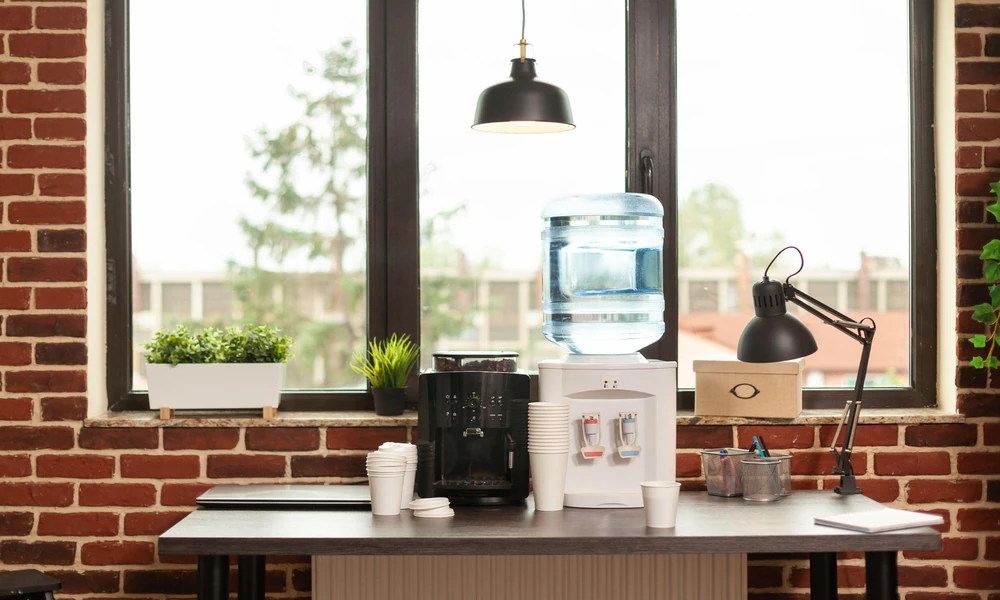
One of the most noticeable differences between countertop and freestanding units is the amount of space they occupy. Countertop models are designed to sit on existing surfaces such as pantry counters, kitchen worktops, or breakroom cabinets. Since they do not require dedicated floor space, they are often suitable for smaller offices where every square metre matters. Businesses operating in compact commercial units may find this design particularly practical.
On the other hand, freestanding models require a dedicated area on the floor. While this increases their physical footprint, it also provides greater flexibility in placement. A freestanding water cooler and dispenser can be positioned in common areas, reception spaces, staff lounges, or near meeting rooms without relying on existing furniture. Additionally, for larger workplaces, this independence from countertop space can simplify office layout planning and improve accessibility for employees throughout the day.
Water Capacity and Usage Demands
Office size often determines which dispenser type is most appropriate. Countertop units generally have smaller reservoirs and are intended for environments with moderate water consumption. That said, in offices with a limited number of employees, these systems can provide sufficient hydration without requiring excessive storage capacity.
Freestanding units are usually built to accommodate higher demand. Their larger water tanks and bottle capacities make them more suitable for workplaces where many employees use the dispenser throughout the day. For instance, during busy periods, such as meetings, training sessions, or company events, a larger-capacity system reduces the likelihood of water shortages or frequent bottle replacements. Businesses anticipating significant daily usage often favour freestanding systems because they can better support continuous access to drinking water.
Features and Functionality
Modern dispenser technology has expanded the range of features available in both categories. Many countertop models offer hot and cold water functions, filtration systems, and energy-saving modes. However, their compact design can limit the inclusion of larger storage compartments or advanced dispensing options.
Freestanding models often provide additional functionality due to their larger structure. Some units include built-in storage cabinets, multiple temperature settings, touchless dispensing systems, and enhanced filtration capabilities. These features can improve user convenience while supporting workplace hygiene initiatives. Remember, when comparing options for water coolers and dispensers, businesses should focus on which functions provide practical value rather than selecting a model based solely on the number of available features.
Maintenance and Long-Term Considerations
Maintenance requirements vary depending on the chosen system. Countertop dispensers may be easier to clean due to their smaller size, but accessing them can sometimes require moving surrounding equipment or clearing workspace surfaces. Their location within shared pantry areas may also create minor disruptions during servicing.
Freestanding units typically offer easier access for routine maintenance because technicians can approach them from multiple sides. Their larger components may require more extensive cleaning procedures, but servicing is often more straightforward. Regardless of the model selected, regular sanitation, filter replacement, and inspections remain necessary to ensure safe drinking water and reliable performance.
Conclusion
Choosing between a countertop and freestanding office water dispenser depends largely on workplace size, water consumption patterns, and available space. Countertop models are often suitable for smaller offices seeking efficient use of existing surfaces, while freestanding units support higher usage levels and provide greater placement flexibility. A water cooler and dispenser should be evaluated not only on initial cost but also on long-term operational requirements, maintenance needs, and employee accessibility. Remember, by matching the dispenser type to actual workplace demands, businesses can create a practical hydration solution that supports daily operations effectively.
Contact Pure Water Dispensers to choose a hydration solution that matches your office size, water consumption, and operational needs.