
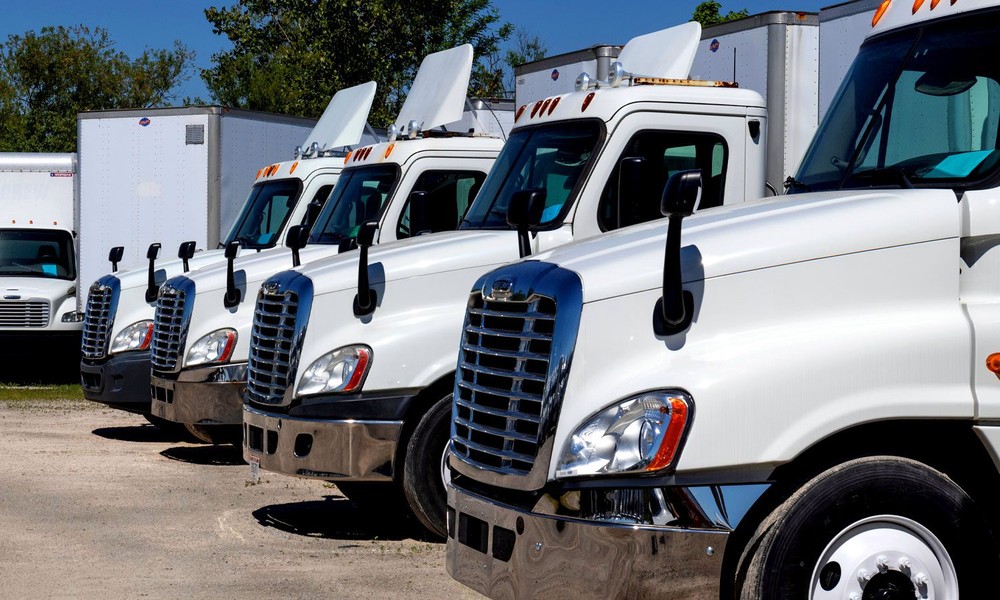

Truck leasing reshaped modern transportation planning across several industries. Smaller operators now avoid heavy ownership costs through smarter agreements. Delivery firms prefer adaptable contracts during seasonal shipping demands. Many fleet managers choose Maverick Toyota options for operational flexibility.
How Do Lease Programs Improve Transportation Planning?
Fleet expenses change during unstable commercial transportation cycles. Purchased vehicles often create long-term financial pressure for expanding businesses. Leasing permits controlled budgeting without exhausting operating capital reserves.
Unexpected route increases create scheduling pressure during holiday distribution periods. Temporary truck access helps companies maintain dependable transportation performance. Retail suppliers benefit when additional vehicles become available without delays.
- Reduced acquisition costs during expansion
- Easier short-term vehicle replacements
- Better route planning flexibility
- Faster commercial fleet adjustments
Flexible Contracts Fit Different Commercial Sectors
Construction companies rarely maintain identical transportation needs throughout yearly operations. Agricultural producers require additional hauling capacity during harvest schedules. Lease contracts match those fluctuating business requirements more efficiently.
A regional plumbing company may require several trucks after severe flooding. Purchased units create unnecessary expenses once emergency repair requests decline. Flexible agreements reduce storage burdens and maintenance liabilities during slower months.
Why Are Modern Trucks Better For Lease Fleets?
Technology improvements changed commercial truck performance during recent manufacturing cycles. Newer models include fuel-saving systems alongside advanced navigation monitoring equipment. Drivers complete deliveries faster using updated route management software inside cabins.
Safety improvements also influence transportation decisions across competitive commercial markets. Collision alerts, lane assistance, and adaptive braking reduce operational risks. In expanding commercial fleets, Maverick Toyota vehicles remain practical transportation choices nationwide.
Important features operators frequently prioritize
- Integrated cargo tracking systems
- Advanced fuel monitoring tools
- Driver-assistance braking technology
- Comfortable long-distance cabin layouts
Lease Programs Help Preserve Financial Stability
Vehicle ownership affects cash availability during uncertain economic conditions. Leasing spreads transportation expenses across manageable monthly payment structures. Businesses preserve funding for staffing, equipment, and warehouse improvements.
Not every transportation company requires permanent truck ownership throughout annual operations. Food distributors sometimes expand before major festival supply periods arrive. Lease flexibility prevents unnecessary inventory transportation expenses once demand decreases.
Financial advantages companies often recognize
- Lower repair exposure
- Easier budgeting accuracy
- Faster equipment upgrades
- Reduced resale complications
Transportation Needs Continue Changing Rapidly
Commercial transportation now requires adaptable planning across unpredictable operating environments. Static vehicle ownership rarely suits businesses facing fluctuating logistical workloads. Lease arrangements provide operational breathing room without restricting future transportation decisions.
Efficient truck access influences delivery speed, customer reliability, and workforce productivity together. Businesses responding quickly often outperform slower competitors during demanding shipping conditions. Flexible leasing remains valuable because transportation expectations continue shifting across modern commercial industries.
FAQs
Are truck lease agreements suitable for smaller businesses?
Yes, smaller businesses benefit from manageable transportation costs through flexible agreements. Leasing prevents oversized investments during uncertain commercial expansion periods across industries.
Can leased trucks include maintenance coverage?
Several agreements include scheduled maintenance packages alongside repair assistance programs. Those additions reduce downtime and simplify operational planning for businesses.
Why do businesses prefer leasing newer truck models?
Newer trucks deliver stronger fuel efficiency and upgraded safety technology. Businesses reduce operational interruptions while maintaining dependable transportation performance standards.