

Rideshare services have transformed modern transportation, offering convenient travel through smartphone apps. Companies such as Uber and Lyft connect passengers with drivers quickly, often reducing the need for personal vehicle ownership. However, as rideshare usage has increased, so has the number of accidents involving these vehicles. Understanding the legal framework surrounding these incidents is important, particularly for individuals with little legal background who want clear and practical information.
Consulting an uber accident lawyer atlanta can help injured individuals better understand how insurance coverage works, how liability is determined, and what legal considerations may arise after a rideshare collision.
What Makes Rideshare Accidents Unique?
At first glance, a rideshare accident may appear similar to a standard car crash. However, several factors make these cases more complex from a legal perspective.
Multiple Insurance Policies May Apply
Unlike traditional accidents that typically involve two private drivers, rideshare incidents often include layered insurance coverage. Depending on the driver’s status within the app, different policies may become active.
Generally, three phases are considered:
- App off: The driver’s personal auto insurance applies.
- App on, waiting for a ride request: Limited rideshare company coverage may be available.
- En route to pick up a passenger or during a trip: Higher commercial coverage often applies.
These distinctions can significantly influence how compensation is pursued.
Common Causes of Rideshare Accidents
While rideshare drivers are expected to follow the same traffic laws as all motorists, certain risk factors are more prevalent in this sector.
Distracted Driving
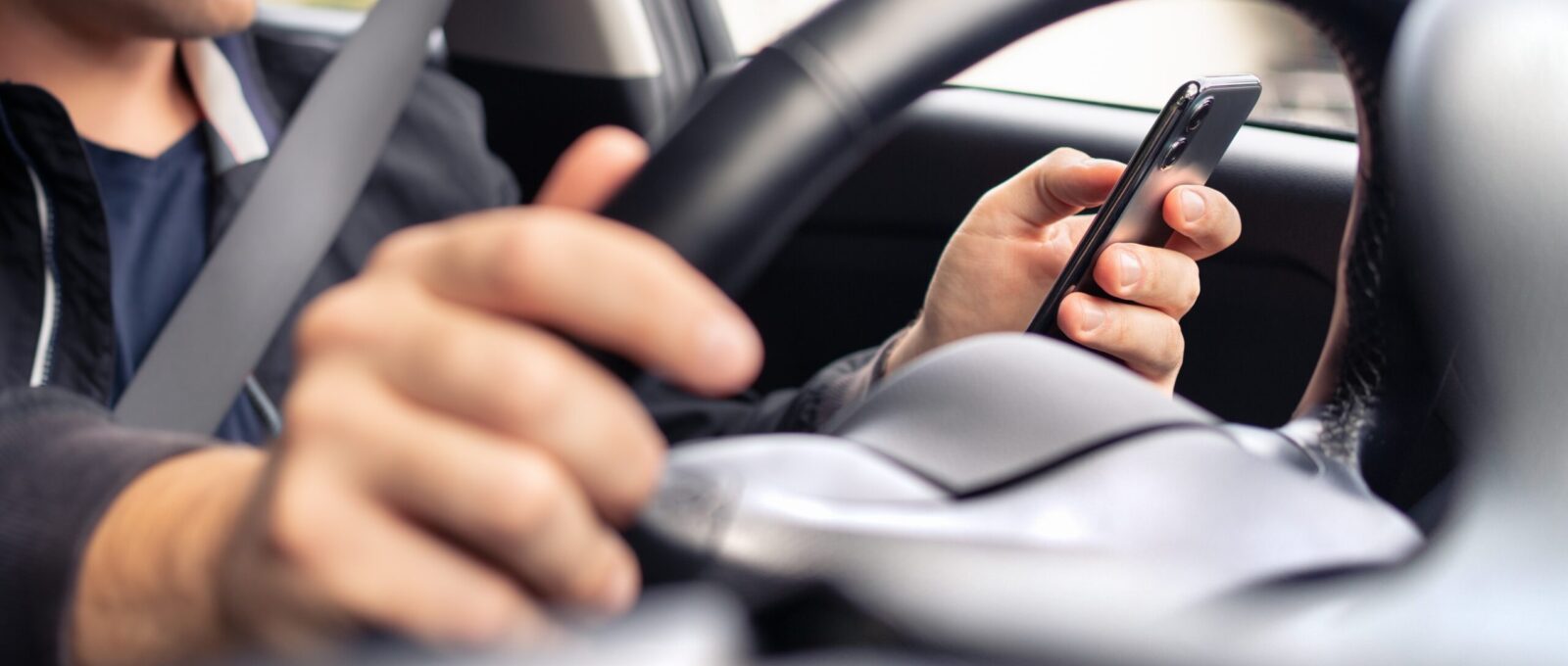
Because rideshare drivers rely heavily on mobile apps for navigation and ride management, distractions can occur. Even brief attention shifts may increase crash risk.
Driver Fatigue
Many rideshare drivers work long or irregular hours, sometimes balancing multiple jobs. Fatigue can impair reaction time and decision-making.
Unfamiliar Roads
Drivers frequently travel in areas they do not know well, which can lead to sudden lane changes or hesitation in busy traffic.
Increased Urban Driving
Rideshare activity is often concentrated in dense metropolitan areas where congestion, pedestrians, and cyclists create additional hazards.
Key Legal Concepts Simplified
Legal terminology can feel intimidating, but several foundational principles shape most rideshare accident cases.
Negligence
Negligence occurs when someone fails to act with reasonable care and causes harm to another person. Establishing negligence typically involves four elements:
- Duty of care: Drivers must operate vehicles safely.
- Breach of duty: A driver violates that responsibility, such as by speeding.
- Causation: The breach directly results in the accident.
- Damages: The injured party experiences measurable losses.
Determining negligence is central to most personal injury claims.
Comparative Fault in Georgia
Georgia follows a modified comparative negligence rule. Under this system, an injured person may recover damages only if they are less than 50 percent responsible for the accident. Any compensation is reduced in proportion to their share of fault.
For example, if someone is found 10 percent responsible, their recovery would generally be reduced by that amount.
Who May Be Liable in a Rideshare Accident?
Liability in rideshare collisions is not always straightforward. Several parties could potentially bear responsibility depending on the circumstances.
The Rideshare Driver
If the driver’s negligence caused the crash, their insurance-or the rideshare company’s policy-may apply.
Another Motorist
In some cases, a third-party driver is responsible, shifting liability away from the rideshare operator.
Multiple Parties
Complex accidents sometimes involve shared responsibility among drivers, which requires careful evaluation of evidence.
Understanding who is liable often determines which insurance policy becomes primary.
Types of Injuries Often Associated With Rideshare Accidents
As with other vehicle collisions, injuries can range from minor to severe. Common examples include:
- Whiplash and neck injuries
- Concussions or traumatic brain injuries
- Broken bones
- Back injuries
- Soft tissue damage
Some injuries may not present symptoms immediately, making medical evaluation an important step after any crash.
Evidence That Can Support a Claim
Strong documentation plays a crucial role in clarifying what happened during an accident.
Important evidence may include:
- Police reports
- Medical records
- App activity logs
- Witness statements
- Traffic or surveillance footage
- Vehicle damage assessments
Because rideshare companies maintain digital trip records, this data can sometimes help reconstruct the timeline of events.
Understanding Potential Compensation
When negligence is established, compensation-often referred to as damages-may address both financial and personal losses.
Economic Damages
These are measurable costs such as:
- Medical expenses
- Rehabilitation
- Lost income
- Property damage
Non-Economic Damages
These relate to broader life impacts, including:
- Pain and suffering
- Emotional distress
- Reduced quality of life
The value of a claim typically depends on injury severity, available evidence, and applicable insurance coverage.
Steps Often Recommended After a Rideshare Accident
Although each situation is unique, several actions are commonly viewed as beneficial:
- Seek prompt medical attention.
- Report the accident to law enforcement.
- Ensure the incident is documented within the rideshare app.
- Gather contact information from witnesses when possible.
- Avoid making definitive statements about fault before investigations are complete.
Taking these steps can help preserve important details.
Why Rideshare Cases Can Be Complex
Rideshare accidents often involve overlapping insurance policies, digital evidence, and detailed liability analysis. Determining which policy applies may require examining the driver’s status at the exact moment of the crash.
Additionally, personal injury claims are subject to filing deadlines known as statutes of limitations. Missing these deadlines may prevent recovery, regardless of the claim’s merits.
Conclusion: Building Awareness Around Rideshare Accident Law
Rideshare services offer convenience, but accidents involving these vehicles introduce legal considerations that differ from traditional car crashes. Factors such as layered insurance coverage, comparative fault rules, and multiple potentially liable parties contribute to the complexity of these cases.
By understanding foundational principles like negligence, liability, and evidence preservation, passengers and drivers alike can approach the aftermath of a rideshare accident with greater clarity. Developing this awareness supports informed decision-making and helps individuals better navigate situations that may otherwise feel overwhelming.