
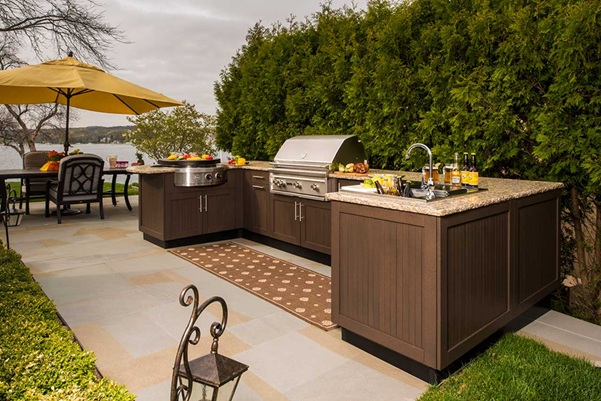

Designing a small outdoor cooking space feels personal in a quiet way. You want it functional and comfortable, too. Not cramped or flashy. Just a space you step into naturally. Small simply means choices matter more.
Begin With Real-Life Cooking Habits
This is where many designs quietly go wrong. They plan for an imaginary version of life.
Pause and think honestly:
- Do you cook outdoors weekly or just on relaxed weekends?
- Are you usually cooking alone or with someone helping?
- Do you enjoy long prep sessions or quick, efficient grilling?
When the answers are clear, the design almost starts shaping itself.
Layouts That Feel Natural, Not Forced
In compact areas, flow matters more than features. A good layout removes friction.
Smart layout options include:
- Single-wall designs that keep everything tidy and close
- Corner layouts that make use of space you would otherwise ignore
- Slim modular units that fit without dominating the area.
If you can move without bumping into corners, you are on the right track.
Storage That Helps, Not Suffocates
Too much storage can feel heavy. Too little becomes frustrating. There is a sweet spot.
Things that work well:
- Vertical storage instead of deep base cabinets
- Drawers that open smoothly and show everything at once
- Concealed compartments for tools and gas bottles.
It should feel organised, not boxed in.
Why Compact Kitchens Actually Get Used More
Thoughtfully designed outdoor kitchens in smaller spaces often feel warmer and more usable. Cleanup is simpler, movement feels natural, and cooking flows easily, until it stops feeling like a task at all.
Less Equipment, More Enjoyment
Smaller spaces naturally encourage restraint, which is not a bad thing. Fewer appliances mean:
- Faster prep
- Quicker cleanup
- Less visual noise.
And honestly, that simplicity makes you want to use the space more often.
Built-In Designs That Keep Things Calm
On the BBQs2u website, their built-in solutions show how built-in BBQ kitchens can bring visual order to compact outdoor areas. When everything is integrated into one clean structure, the space feels settled. Not like something you will rearrange next season.
That sense of stability matters more than people expect.
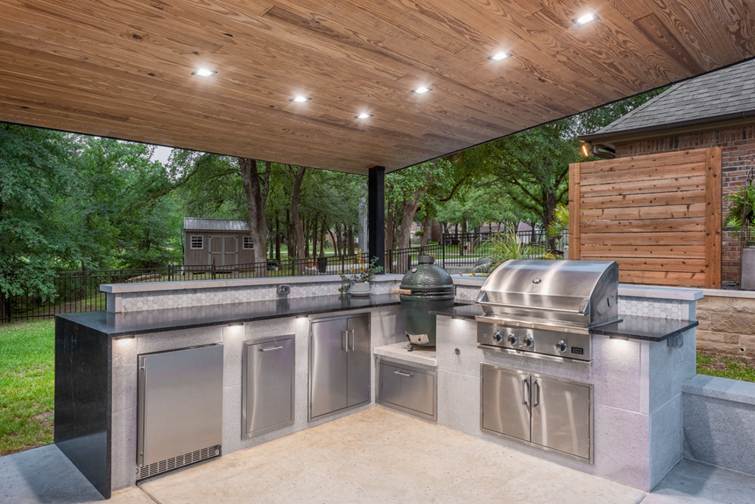
Materials That Age Gracefully
In a small space, wear shows quickly. Choosing durable finishes early saves a lot of future irritation.
Reliable options include:
- Stainless steel for weather resistance
- Heat-resistant worktops
- Cabinet materials that do not warp or fade easily.
Quiet durability beats flashy finishes every time.
Clean Design Without the Bulk
Looking through examples of Whistler Fairford outdoor kitchens, what stands out is proportion. The designs feel balanced, not oversized. That restraint makes them especially suitable for patios or narrow garden spaces where visual weight matters.
Nothing feels squeezed in for the sake of it.
Comfort Is in the Details
A small ledge for drinks. Soft lighting under the counter. A hook for tongs that is always within reach. These are not luxuries. They are the details that turn a cooking area into a place you actually enjoy standing in.
A Focused Choice for Ceramic Cooking
For those who love ceramic grilling, the Whistler Fairford ceramic egg cabinet delivers a neat, secure setup without visual bulk. Small outdoor spaces thrive on clarity, where every element has a role, and nothing feels wasted.